Why Display Screen Assessments Are Essential for Modern Workplaces
With the rapid shift toward digital workplaces, employees are spending extended hours in front of computers, laptops, and other display screens. Whether in corporate offices, control rooms, design studios, or remote work environments, prolonged screen exposure can lead to various health issues if not managed properly.
A Display Screen Assessment (DSE), also known as a workstation ergonomic assessment, is a structured evaluation of how a person interacts with their computer workstation to prevent health risks and enhance productivity.
What is a Display Screen Assessment?
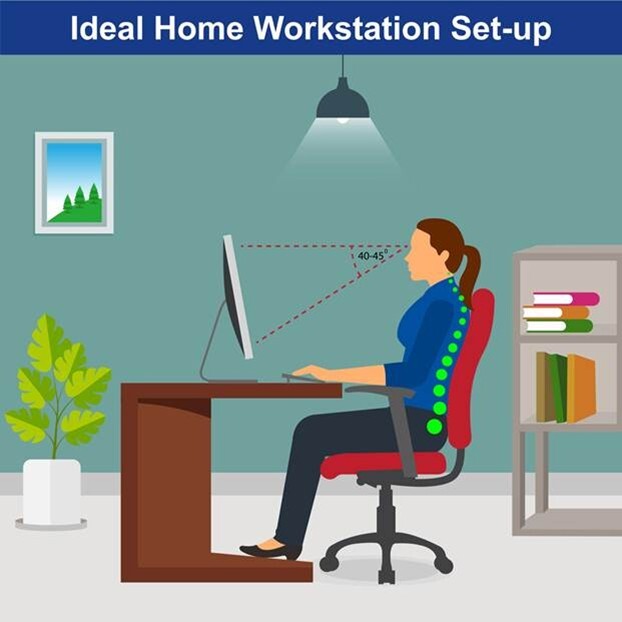
A Display Screen Assessment (DSE) is a systematic review of a workstation setup to ensure it supports the user's health, comfort, and safety. It focuses on:
❖ Screen positioning
❖ Chair ergonomics
❖ Desk layout
❖ Keyboard and mouse alignment
❖ Lighting conditions
❖ Work posture
❖ Duration of screen exposure
The primary objective is to reduce musculoskeletal disorders (MSDs), eye strain, and fatigue while improving overall wellbeing.
Why is DSE Important?
Extended screen work can result in:
Musculoskeletal Disorders (MSDs)
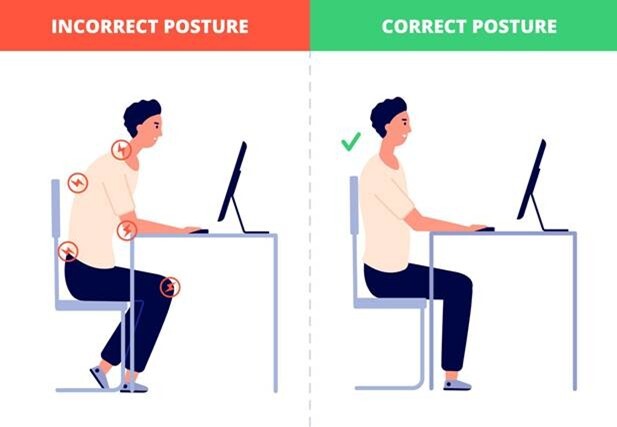
❖ Neck pain
❖ Shoulder stiffness
❖ Lower back pain
❖ Wrist strain (Repetitive Strain Injury – RSI)
Eye Strain (Computer Vision Syndrome)
❖ Dry eyes
❖ Blurred vision
❖ Headaches
❖ Increased sensitivity to light
Fatigue & Reduced Productivity
❖ Poor posture affects breathing and circulation
❖ Continuous sitting impacts energy levels
❖ Cognitive fatigue due to prolonged visual focus
In industrial environments such as control rooms, inspection units, and monitoring stations, poor DSE management can also impact attention and operational safety.
Who Needs a DSE Assessment?
DSE applies to anyone who uses display screens for more than 1–2 hours continuously or as part of regular daily work, including:
❖ Office staff
❖ Engineers & designers
❖ Call center operators
❖ Control room operators
❖ Remote workers
❖ Administrative personnel
Common Findings During DSE Audits
Typical issues identified during workplace assessments include:
❖ Monitor positioned too low or too high
❖ Lack of lumbar support
❖ Laptop users without external keyboard/mouse
❖ Screens facing windows (causing glare)
❖ Employees sitting for prolonged periods without breaks
Correcting these small issues often results in significant reduction in complaints of discomfort within weeks.
Benefits of Conducting Regular DSE Assessments
❖ Reduced absenteeism
❖ Improved employee comfort
❖ Lower risk of long-term injury claims
❖ Enhanced concentration and productivity
❖ Compliance with occupational health standards
Display Screen Assessment is not just about comfort, it is about preventing occupational health problems before they occur. As workplaces become increasingly digital, proactive ergonomic management is essential. Small adjustments in workstation setup can prevent long-term health issues, enhance employee wellbeing, and improve operational efficiency.
We are EHS Management Consultants with qualified and competent professionals experienced in conducting comprehensive Display Screen Assessments (DSE) across various sectors, including corporate offices, control rooms, industrial facilities, and remote work environments. Our competent assessors are trained in ergonomic risk evaluation, workstation design principles, and occupational health requirements aligned with international standards and best practices. We provide:
✅ On-site and remote DSE assessments
✅ Individual workstation evaluations
✅ Ergonomic risk scoring and reporting
✅ Practical corrective recommendations
✅ Employee awareness training sessions
For professional support in implementing or improving your Display Screen Assessment program, feel free to contact us.